Aside

Is Canada’s medical malpractice system working?

Starting next year, doctors’ malpractice insurance in most parts of the country will cost a lot more – more than doubling in many places. Fortunately for physicians, however, that will affect provincial health budgets more than their own practices. Most doctors are covered by the Canadian Medical Protective Association (CMPA), a non-profit mutual defence organization

Should pharmacies sell natural health products?

Suffering from migraines, back pain, acne, diarrhea or constipation? Rexall pharmacies have a product that might help, but it’s not medication or an over-the-counter fix. Rather, it’s an IgG test called Hemocode that looks for 250 food intolerances – and costs $450. The test, which is done off-site, returns results that the pharmacist shares with

Canadian provinces take first steps towards lower drug prices

Pan-Canadian Pharmaceutical Alliance

Prescription drugs provide important benefits to patients, and are an essential component of the health care system. They also have significant costs: Canadians spent roughly $35 billion on drugs in 2013, or about 16% of total health care spending. Drug costs have put significant strain on provincial budgets. In response, most of Canada’s provinces and

Are family doctors cherry picking patients?

When Anne Lyddiatt’s family doctor retired, she went looking for a new one.  The Ingersoll, Ontario resident thought she’d found one for herself, her two daughters, and her granddaughter, and they filled out application forms with their health information. But only one of the four was accepted: the daughter who had no chronic conditions. “When

Changes to temporary foreign worker program have unintended impacts on doctors

Reports of low-skilled Canadian workers being replaced with those from other countries spurred changes earlier this year to the Temporary Foreign Worker Program. But they’ve made it harder for areas in need of physicians as well. The system was overhauled this summer after reports that companies were misusing the program, with Canadian workers at RBC and

How should we measure quality in home care?

Home Care

Trevor Cranney gets 60 hours of home care a month. Though he’s happy with the quality of care he’s getting, he doesn’t think it’s enough. “I suffer from ALS, and I’m unable to feed myself, brush my hair or do anything,” says the 42-year-old, who was recently given six to nine months to live. He would like

What Canada can learn from Sweden’s health registry system

In 2007, a group of Canadian cardiologists found themselves in a unique position. New – and expensive – implantable cardiac defibrillators were being used by fewer than a dozen doctors. And the Institute for Clinical Evaluative Sciences was offering to help them create a registry that would track outcomes for five years. Soon, they had the largest registry

Hospital parking: health care’s controversial cost

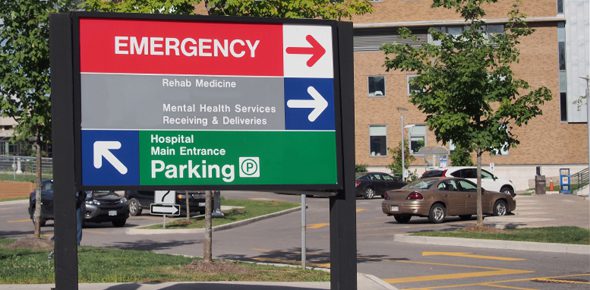
Shalimar Novak is sick of paying for parking. The social worker has been to Toronto’s Mount Sinai once or twice a week recently for appointments related to her pregnancy, and paid about $15 every time. “It definitely adds up,” she says. “And when you have a kid coming, you’re thinking in diaper dollars. It would be nice

Does non-celiac gluten sensitivity really exist?

Gluten sensitivity: bread

When Linda Kerr’s son’s growth flatlined, a doctor suggested the teen might benefit from a gluten-free diet. In support, she tried the diet with him. Her son eventually decided he wasn’t going to follow it, but it did have an unexpected effect: after about a month, Kerr herself found her health improved. “I’d been struggling all

The surprising science behind evidence-based hospital design

Rahel Yetbarek sits with her feet up, looking out onto the city and the large swath of treed land that surrounds the freeway below her. The nurse is taking in the view over her lunch break, from the 10th floor rooftop garden at Bridgepoint, a Toronto hospital. Nearby, a few patients do the same. The

Despite Ontario’s Northern Health Travel Grant, some still pay out of pocket

Northern Travel Grant

When Nan Normand’s husband had quintuple bypass surgery, it cost them $1,500. It wasn’t the operation that was pricey, but the travel. The couple went from Kenora, a small city near the Ontario-Manitoba border, to Hamilton for the surgery. The trek included flights and a multiple-night stay. Normand was unlucky: Manitoba had temporarily stopped accepting most Ontario heart patients,

Should patients be told about incidental findings from genetic testing?

Genetic testing

Genomics is moving at a lightning pace. Whole genome sequencing, a special type of genetic test, can produce much more information about a person’s genes than ever before. However, this rapid advance in technology has outpaced our ability to understand what to do with all of this additional information. As a result, patients and clinicians

Are food labels more sell than science?

Front-of-package labels

Probiotic ice cream. Antioxidant 7Up. Cupcakes that are “a good source of iron.” Grocery store shelves are lined with products that claim they’re good for you. Some food labels say they’ll help you dodge health conditions – like oatmeal boxes that say “oat fibre helps reduce cholesterol.” Others let shoppers infer the benefits of vitamins or minerals,

Should the public know how much doctors are paid?

The United States began releasing the Medicare payments it made to individual doctors on April 9, a move that sparked sensational headlines and debates about privacy. The data offer insights into the $77 billion paid by Medicare’s fee-for-service program to more than 880,000 health care professionals in 2012. Should Canadian provinces follow the U.S.’s lead and publicly